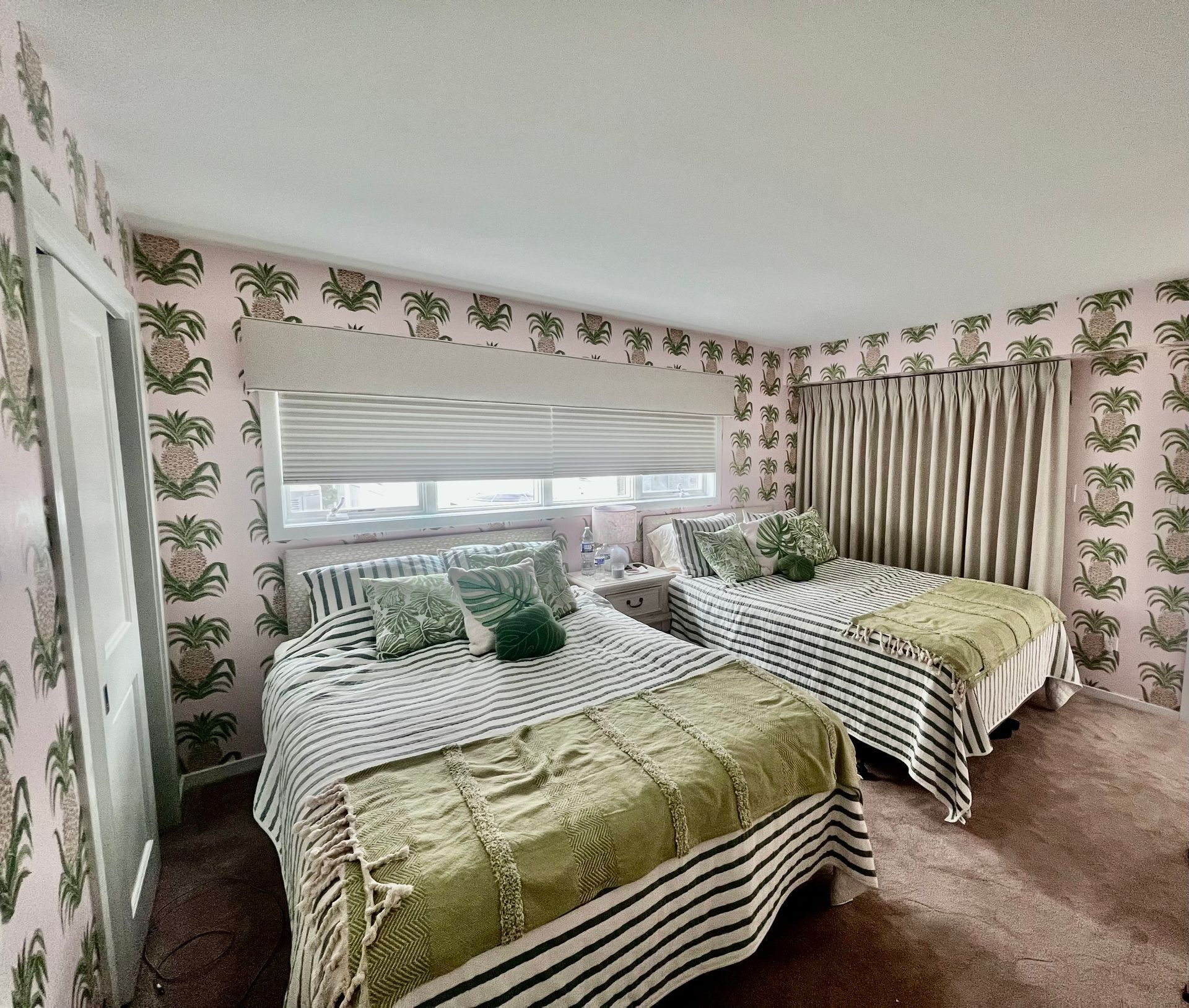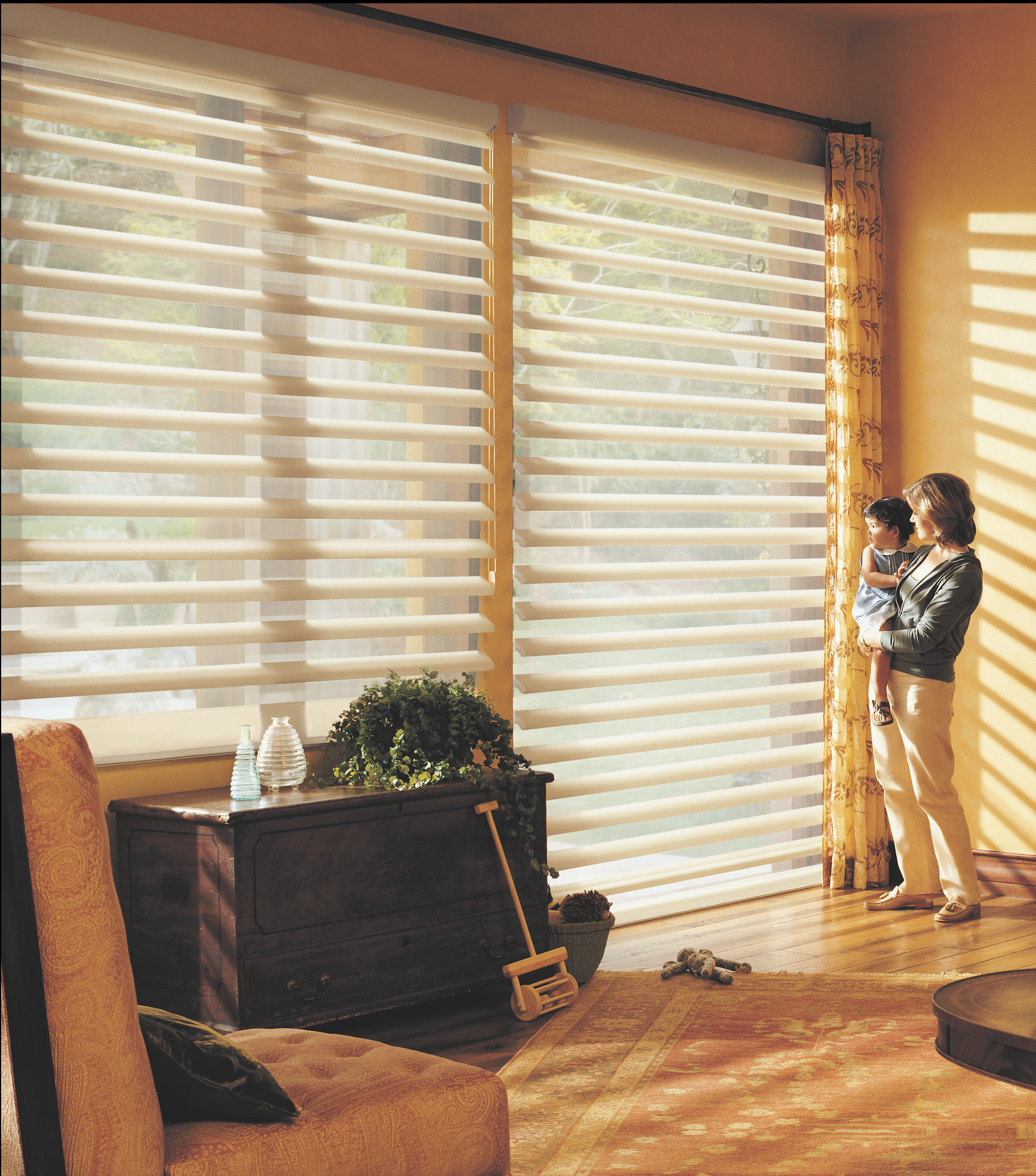
If you want window treatments that feel current and solve real-life problems, use this report as your playbook—then explore options across our window treatment products.
Quick takeaways for Tampa homeowners
- Texture is back. Homeowners are moving toward woven woods, linen-like fabrics, and warmer neutrals.
- Automation is becoming standard. Motorized shades and smart drapery are no longer “only luxury.”
- Layering is the new “custom.” Mixing a shade + drapery (or shutters + a shade) is a major design move.
- Performance still wins. Better heat control, UV protection, and privacy are driving purchasing decisions.
Trend #1: Natural materials and earth tones
The 2026 look is warmer and more grounded. Think relaxed, coastal texture—without looking overly “beachy.” Natural fibers and woven surfaces add depth, soften harsh daylight, and make a room feel more finished.
What this looks like in real homes
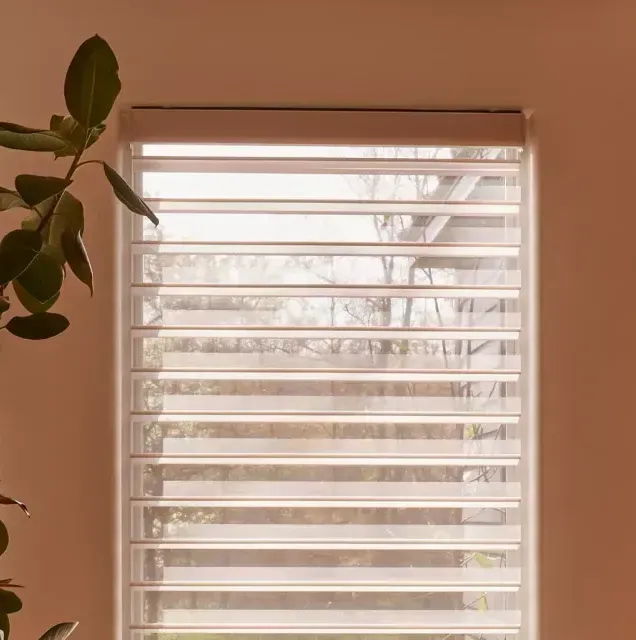
- Woven-style shades that filter light instead of flattening it
- Soft neutrals like sand, warm taupe, clay, and muted greens
- Organic texture that complements wood floors, light walls, and modern hardware
If you’re aiming for this trend, start with window shades that bring texture and softness while still controlling sunlight.
Trend #2: Motorized and automated everyday living
The biggest shift in 2026 is how people want their homes to function. Window treatments are becoming part of the daily routine: wake-up light, afternoon glare control, evening privacy—handled automatically.
Why Tampa homeowners are adopting automation faster
- Sun management: Reduce peak-day glare and heat gain without babysitting your windows.
- Hard-to-reach windows: Tall ceilings and large glass are common—and manual operation gets old fast.
- Cleaner look: Streamlined operation and fewer visible cords keeps the window design crisp.
Want smart control options? Explore home automation for window treatments and see what fits your setup.
Trend #3: Layered, tailored, “designer-finished” windows
In 2026, a single layer often looks incomplete—especially in main living spaces. Layering adds dimension and solves multiple needs at once (light control + privacy + softness + insulation).
Popular pairings we’re seeing
- Roman-style shading + drapery: polished, flexible, and great for living rooms
- Textured shades + side panels: adds height and makes windows feel larger
- Shutters + a shade behind it: strong privacy plus better light blocking when needed
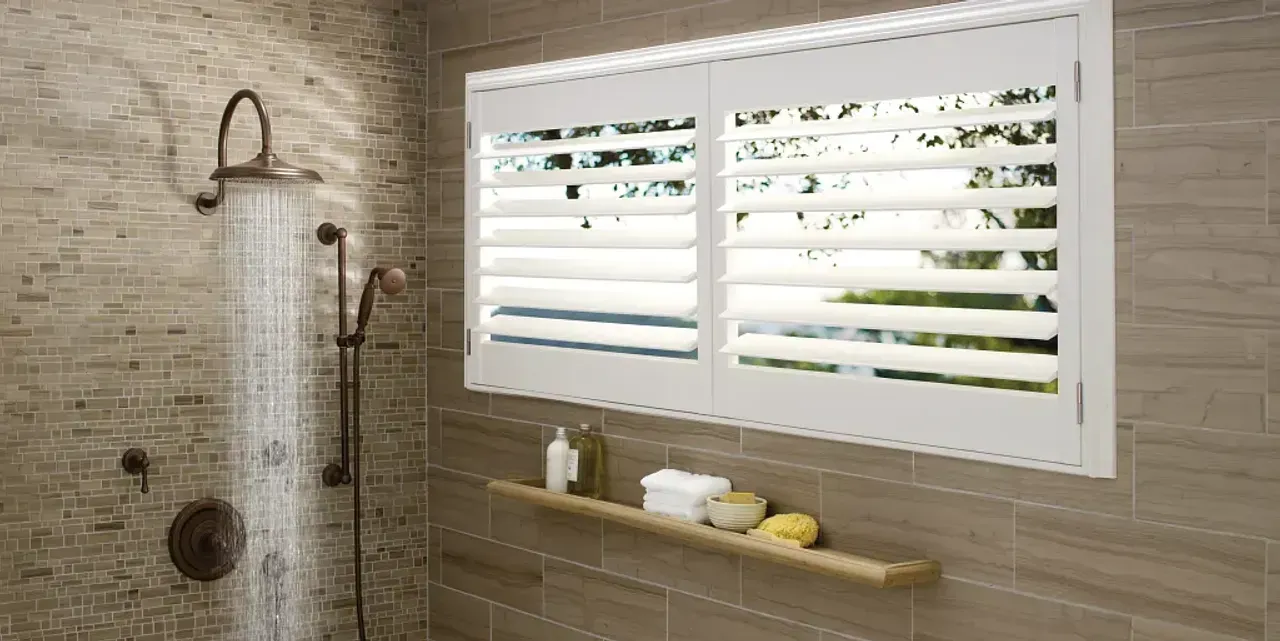
If you’re debating between classic structure and a softer look, compare plantation shutters with custom blinds —then layer where it makes sense.
Trend #4: Energy efficiency and light control upgrades
Design matters—but so does performance. Tampa Bay homes deal with intense sunlight, warm seasons, and rooms that can feel “bright-hot” by mid-day. That’s why 2026 trends lean toward treatments that work harder: better insulation, smarter light filtering, and improved privacy.
Performance features homeowners are prioritizing
- Heat management: options that reduce solar gain and keep rooms more consistent
- UV protection: helps protect floors, furniture, and artwork from fading
- Room-by-room control: especially important for west-facing windows
Need help choosing the right performance level? Our team can guide you through shade openness, light filtering vs. blackout, and what’s realistic for your windows—start with our free consultation.
What’s out (or fading fast) in 2026
- Cold, sterile minimalism with flat-looking materials and harsh grays
- One-size-fits-all “builder basic” treatments that don’t address glare, privacy, or fit
- Single-purpose installs that ignore insulation, layering, or smart control
- Outdated-looking hardware and styling that makes the entire room feel behind
Do’s and don’ts for choosing on-trend treatments
Do
- Choose warmer neutrals and textured materials for a more inviting finish.
- Consider motorization for large, tall, or high-use windows.
- Layer a shade with drapery when you want both performance and softness.
- Match the treatment to the room’s job: sleep, relax, entertain, work, etc.
- Use professional measuring and installation for better light control and cleaner lines.
Don’t
- Don’t pick purely by looks—Tampa sunlight will expose weak performance fast.
- Don’t assume one treatment type solves every room the same way.
- Don’t skip automation just because you haven’t used it before—once you do, it’s hard to go back.
- Don’t accept poor fit—gaps and uneven operation are usually avoidable with custom solutions.
- Don’t forget the exterior factor—sun direction matters more than most people think.
What these trends mean for Tampa Bay
In Tampa and the surrounding areas, trends only matter if they survive real conditions: strong daylight, warm afternoons, and the need for privacy without making the home feel closed-in. The good news is 2026’s trends align with practical Florida living—more light filtering, more heat management, and more “set-it-and-forget-it” control.
If you’re local and want guidance tailored to your home, see our full service area and reach out through our contact page.
FAQs
Are natural-looking window treatments hard to maintain?
Not typically. Most modern textured and woven-style options are designed for everyday durability. The key is choosing the right material for the room (kitchens, baths, and high-humidity spaces need the right spec).
Is motorization worth it if I’m not “techy”?
Yes—because you don’t need to be techy. Many homeowners use a simple remote, wall control, or app. The biggest benefit is consistent comfort: glare reduction, privacy, and routine scheduling.
What’s the most “Tampa-friendly” trend in 2026?
Light-control and heat-management upgrades—especially when paired with smart scheduling. It’s the fastest way to make a room feel calmer and more usable throughout the day.
Should I choose blinds, shades, or shutters?
It depends on your priorities: softness and filtering (shades), adjustable slats and flexibility (blinds), or architectural structure and long-term value (shutters). We’ll help you narrow it down based on each room.
What’s the best way to get a cohesive look throughout the home?
Pick one consistent “base” treatment style, then customize room-by-room with opacity, layering, and automation. That keeps the home unified without sacrificing functionality.
Next step: Get recommendations for your exact windows
If you want the 2026 look and Tampa-ready performance, we’ll help you choose the right combination of materials, light control, and smart operation—based on your window sizes, sun exposure, and goals.