Shutters Vs. Blinds: What You Should You Choose for Your home?
At Creative Window Design Center, we’ll guide you through the decision with real options, real measurements, and an install that fits the window the way it should. If you’d rather talk it through with an expert, start here: Request a consultation.
What’s the Difference Between Shutters and Blinds?
The main difference is structural. Shutters are built as a fixed, custom-fitted frame with louvers (slats) that tilt for light control. They become part of the window—almost like built-in millwork. Blinds are a lighter, flexible system typically mounted at the top of the window and raised/lowered (and often tilted) to manage light and privacy.
Both can look beautiful when they’re properly measured, professionally installed, and matched to the room. That’s why we start with guidance and precise fit through our custom window coverings process—so you’re not guessing based on photos alone.
Style Choices
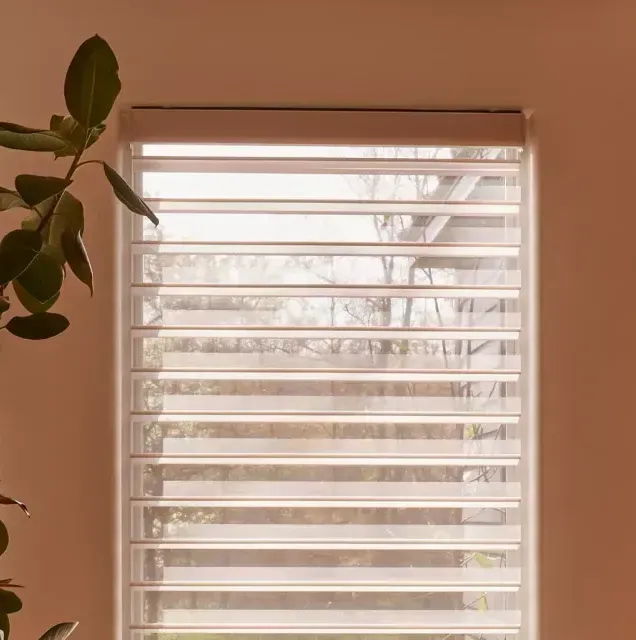
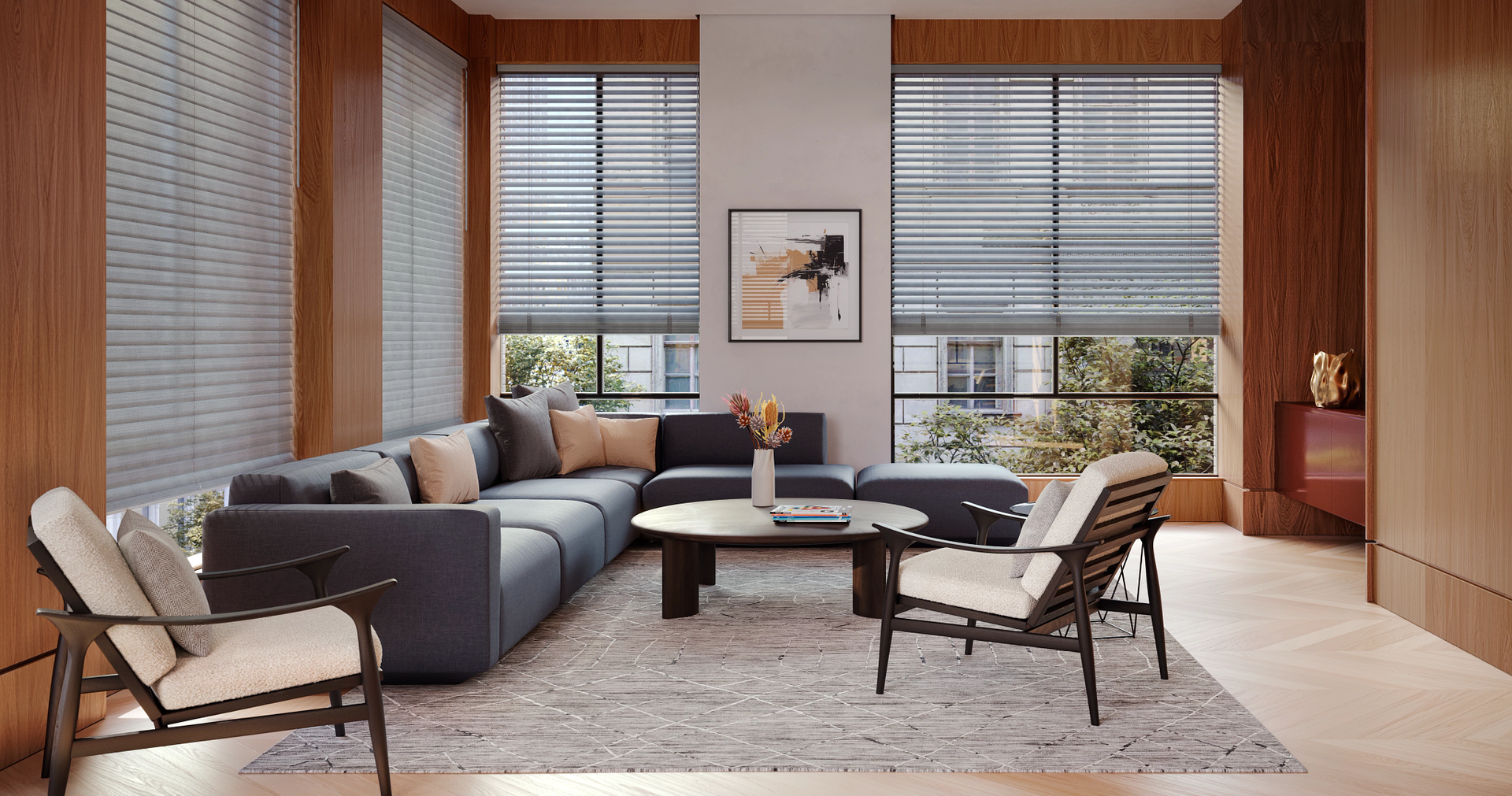
Blinds come in a wide range of finishes and looks—from clean, contemporary lines to warmer natural textures. If you like changing a room over time, blinds make it easier to refresh your look without committing to a permanent fixture.
Shutters are more “architectural.” They’re typically chosen for a timeless look that feels intentional in the space. When homeowners want a classic finish that still works with modern interiors, shutters are often the answer—especially in high-visibility rooms like living spaces, kitchens, and front-facing windows. If you want to see how that reads in real homes, take a look at our picture gallery.
Durability
Quality matters on both sides. Lower-cost blinds can bend, warp, or show wear faster—especially with kids, pets, or heavy daily use. Higher-end blinds, when properly specified, can absolutely hold up. Shutters, however, tend to win the durability conversation because they’re solid, secure, and designed for long-term performance.
Maintenance
Many homeowners choose shutters because cleaning is straightforward: dust, wipe, done. Blinds can be easy too—especially with smoother finishes—but fabric-based options may require more care and can show sun fading over time depending on material and exposure.
If your home gets strong sun (coastal glare, large windows, open layouts), it’s worth thinking about UV protection and heat management. Our team can walk you through solutions that protect floors and furnishings, including motorized schedules and specialty fabrics. Learn more about motorized and custom covering options.
Wood Shutters vs. Wood Blinds (They’re Not the Same)
Wood blinds typically use horizontal slats with lift and tilt controls. Shutters use louvers within a framed panel system. The day-to-day difference is feel: shutters operate like a built-in feature, while blinds operate like a hanging treatment.
| Category | Shutters | Blinds |
|---|---|---|
| Overall look | Built-in, architectural, timeless | Flexible, many finishes and styles |
| Light control | Excellent louver control + privacy | Strong, varies by slat/material |
| Privacy | Great street-facing performance | Great with proper fit/material |
| Durability | Typically highest longevity | Ranges from budget to premium |
| Maintenance | Quick wipe-down | Easy to moderate (depends on type) |
| Best for | Long-term “forever” choice, high visibility rooms | Budget flexibility, easy updates, many styles |
If you’re in a high-humidity or high-sun environment, the best material decisions can change by region. For example, coastal and Florida homes often benefit from moisture-smart materials and heat-conscious fabrics—see our Florida window treatment guide. For South Jersey and greater Philadelphia-area homes, we also account for seasonal temperature swings and architectural styles—start with window treatments in South Jersey.
Cost of Shutters vs. Blinds
Cost is often the tipping point—and it’s completely reasonable to start there. In most cases, shutters are a higher upfront investment because they are custom-built, framed, and installed as a permanent feature. Blinds are typically more budget-flexible, with a wider range from entry-level to premium.
The more helpful way to think about cost is: Are you buying a changeable décor piece, or a long-term home feature? Many homeowners see shutters as an investment in the look and function of the home, while blinds are often chosen for versatility, speed, or a phased approach (room-by-room upgrades).
If you’re weighing a whole-home upgrade, we’ll help you prioritize where to invest first. Often, that means doing a permanent solution in the rooms you live in most—and selecting flexible treatments where you want to keep options open. This is exactly what we cover during a consultation.
Benefits of Shutters
1) Shutters are more than a window treatment—they’re a feature
Shutters don’t just “cover” a window. They finish it. They add structure and intention, and they look right from the inside and the curb. If you want that show-home feeling without chasing trends, shutters are one of the simplest ways to get there.
2) They’re easy to maintain
Shutters are a practical choice for everyday living. A quick dusting or wipe-down keeps them looking fresh—especially helpful in kitchens, living rooms, and any room that sees constant use.
3) Temperature and comfort control
Shutters can add a layer of insulation at the window, helping reduce heat gain and drafts. If your home gets strong afternoon sun, this can be a meaningful comfort upgrade. For Florida homeowners thinking about heat and humidity, start with our Florida guide.
4) Light and privacy control without feeling closed in
Tilt the louvers to bounce light where you want it while maintaining privacy. This is one of the biggest reasons shutters are loved in street-facing rooms and open-concept homes: you can keep the room bright without putting your life on display.
5) Perceived value
Because shutters look built-in and are designed to last, they’re often viewed as an upgrade that enhances the home’s overall finish. They’re not the right move for everyone, but for homeowners who want long-term impact, they’re a strong option.
6) Smart home compatibility and motorized options
Convenience matters—especially for large windows, tall stairwells, and daily routines. Many homeowners combine timeless materials with modern control, including smart scheduling. Explore options in our custom window coverings overview.
Pros and Cons of Shutters
| Pros | Cons |
|---|---|
| Architectural, built-in look | Higher upfront investment |
| Easy to clean and maintain | Not designed for frequent swapping |
| Excellent privacy and light control | Room-darkening depends on style and fit |
| Durable and long-lasting | Professional measurement and install recommended |
| Can help with comfort and insulation | Can’t “raise” fully like blinds (depends on design) |
If you’re ready to explore shutters in your region, start here: shutter installation in South Jersey or shutter installation in Florida.
Different Types of Shutters
“Shutters” is a broad category. The right shutter style depends on how you use the room, how much privacy you need, and how you want the window to look when it’s open. We’ll help you narrow it quickly during your consultation.
Plantation-style interior shutters
Plantation shutters are a go-to for classic light control and a clean, tailored look. They work especially well in living rooms, dining rooms, and street-facing spaces where you want brightness without sacrificing privacy. For more on options and fit, see our South Jersey shutter guide.
Moisture-smart materials for kitchens and baths
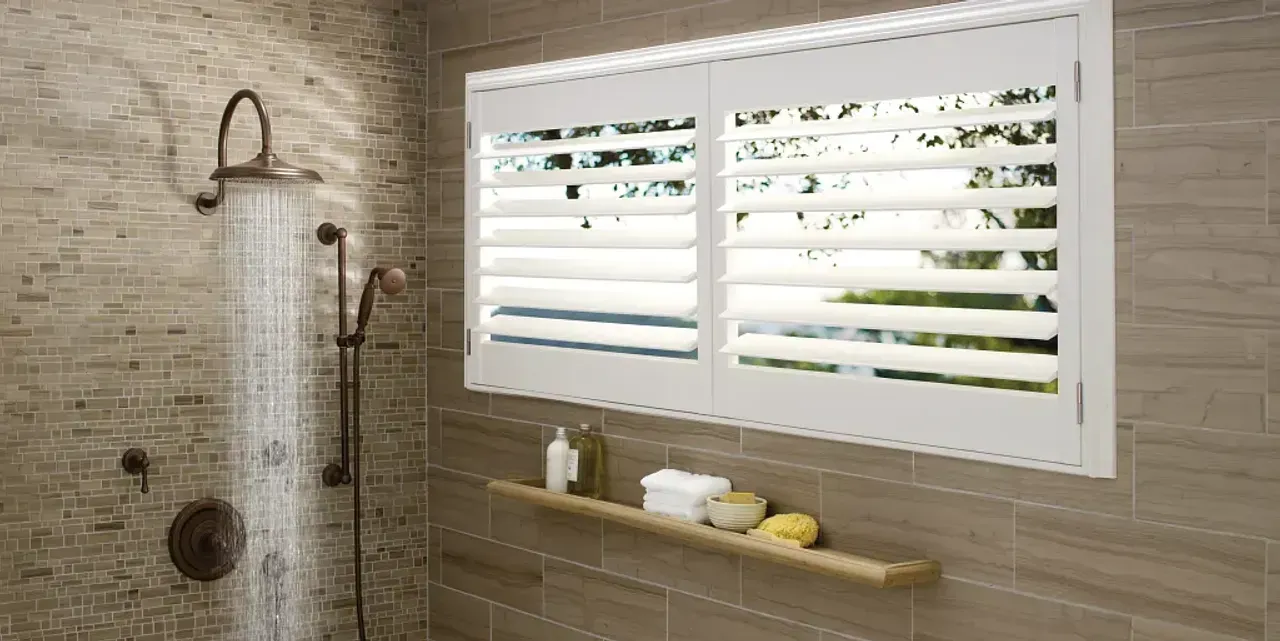
In humid spaces, material choice matters. Bathrooms, kitchens, and coastal homes often do best with shutters designed to handle moisture without warping. Our team will recommend the right construction for the room so you don’t end up replacing treatments prematurely.
Shutters + layered softness
Love the structure of shutters but still want softness? Many homeowners layer shutters with custom drapery and valences to add depth, texture, and a more finished feel—especially in bedrooms and formal spaces.
Benefits of Blinds
1) Blinds are easy to update over time
If you like refreshing paint colors, furniture, or décor, blinds make it easy to pivot. They’re lighter, simpler to swap, and available in a wide range of looks.
2) Huge range of styles and finishes
Blinds can be sleek and minimal, warm and textured, or designed for practical needs like glare reduction. The category is broad, and that’s the advantage: we can match the product to the way you live.
3) Budget flexibility
Blinds can be a cost-effective move—especially when you’re upgrading multiple rooms. They’re also a smart choice if you’re staging a home, renovating in phases, or prioritizing specific rooms first.
Pros and Cons of Blinds
| Pros | Cons |
|---|---|
| Many styles and finishes | Lower-end options can wear faster |
| Often more budget-friendly | Some types can fade with direct sun |
| Can be raised fully for open views | Cords/controls vary by product and safety needs |
| Great for phased room-by-room upgrades | Cleaning can be more involved for some fabrics |
| Motorization available for convenience | Privacy and darkening depend on style and fit |
If you’re not sure which blind category best fits your home, start with our overview of custom window coverings. We’ll guide you toward a solution that looks right and performs the way you need.
Different Types of Blinds (and Where They Work Best)
Not all blinds behave the same. The best choice depends on the room, sunlight, privacy needs, and whether you want a crisp, structured look or softer light diffusion. Here are a few common directions homeowners take.
Wood and faux wood blinds
These are popular when you want warmth and texture with strong light control. Faux wood can be especially practical in rooms where moisture or temperature changes are a concern. If you’re designing for heat, sun, or humidity, our Florida window treatment guide outlines key considerations.
Light-filtering vs. room-darkening options
Bedrooms, nurseries, and media rooms often need more light control than a standard slat blind can deliver. If sleep quality or glare is the goal, we’ll steer you toward the right materials and build so you get consistent results.
Smart and motorized blinds
If you have tall windows, wide spans, or a daily routine you’d love to automate, motorized options can be a game changer. Learn how we approach convenience and protection (even when you’re not home) on our motorization and window coverings page.
When you want softness instead of slats
Sometimes the right answer isn’t blinds or shutters alone. If you want a softer, layered look—especially in formal spaces—consider pairing blinds with custom drapery for a finished, design-forward feel.
For inspiration across real projects and styles, you can also browse our portfolio and learn more about how we approach design and selection on our About page.
Are Shutters Better Than Blinds? Here’s How to Decide
The “better” option is the one that fits your home, your habits, and your priorities. We recommend making the decision with three simple questions:
1) Is this a long-term home feature or a flexible décor choice?
If you want a permanent, built-in upgrade that stays beautiful for years, shutters usually win. If you want flexibility (or you’re updating rooms over time), blinds are often the smarter move.
2) What matters more: architectural finish or style variety?
Shutters deliver a finished, tailored look that reads as part of the window. Blinds give you far more variety across materials, textures, and visual weight. Neither is wrong—this is about the feeling you want in the room.
3) What does the room need most: privacy, glare control, durability, or softness?
Street-facing rooms usually prioritize privacy and light control. Kitchens and baths prioritize durability and moisture resistance. Bedrooms may prioritize darkening. And living rooms often want beautiful light with a clean, uncluttered look. If you’re not sure where to start, we’ll help you map the rooms and goals in minutes.
A Practical Shortcut: “Best Fit” Recommendations
- Choose shutters if you want a built-in look, low maintenance, and a long-term solution.
- Choose blinds if you want more style options, more budget range, and the ability to update later.
- Consider layered treatments if you want both structure and softness (for example: shutters plus custom drapery).
- Explore motorization if convenience and routine-based control matter—start at custom window coverings.
If you’d like to see how modern innovations can change the feel of a room (especially around light control), you may also enjoy: The Perfect Blend of Bold Design and Functionality.
FAQs: Shutters vs. Blinds
Do shutters block out light like blackout blinds?
Shutters can significantly reduce light and glare, but “blackout” results depend on the style, louver size, and fit. If true room-darkening is the priority, we’ll guide you to the right product category and installation approach.
Are shutters or blinds better for privacy?
Both can perform well, but shutters are often the easiest way to keep a room bright while still maintaining privacy—especially in street-facing spaces—because you can fine-tune the louver angle.
What works best for humid rooms like bathrooms and kitchens?
Material choice matters. In humid rooms, we typically recommend moisture-smart products designed to hold up over time. We’ll help you select the right build for the room so you don’t end up with warping, fading, or premature replacement.
Can I motorize blinds or shutters?
Yes—many homeowners choose motorization for tall windows, wide spans, and daily convenience. It can also help protect interiors from UV exposure with scheduled operation. Learn more on our custom window coverings page.
How do I choose the right option without guessing?
The fastest way is to see materials in your light, in your rooms, with expert guidance. We’ll measure accurately, walk you through options, and make sure the final choice fits your home and your budget. Start with a consultation request.
Ready to Choose Shutters or Blinds with Confidence?
We’ll help you narrow the choices, match materials to your home, and handle the details from measurement through installation. If you want a clear recommendation (not guesswork), take the next step:
Want to explore beyond window treatments? We also offer interior design, accessories, and even remodeling support to help your home feel pulled together.